
How to Measure The Dimensions of a Box Correctly
By Bath Bomb Packaging · February 10, 2026
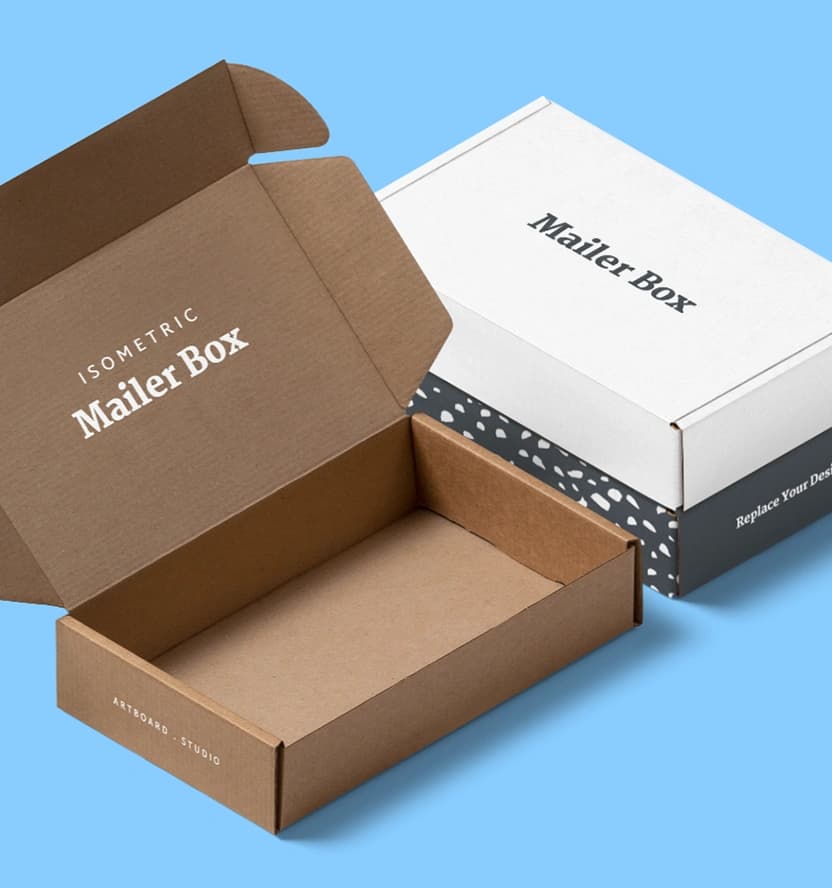
To measure a box correctly, record its length, width, and height in that order. The length is the longest side of the box’s base, the width is the shorter side, and the height is the distance from the bottom of the box to the top.
That sounds simple, but accurate box measurements matter more than most people realize. Whether you are ordering custom packaging, planning shipping, or checking if your bath bombs will fit securely inside a box with inserts or protective fill, the right dimensions make a real difference.
This guide walks you through the process step by step so you can measure any box with confidence.
Why Measuring Box Dimensions Matters
Getting box dimensions right is not just a technical detail. It affects shipping costs, storage efficiency, and how well your packaging protects the product inside.
Shipping Costs and Dimensional Weight
Shipping carriers do not only look at the actual weight of a package. They also look at the amount of space it takes up. This is called dimensional weight.
If your box dimensions are off, your shipping estimate may be wrong too. Underestimate the size and you may end up paying more than expected. Overestimate it and you could spend more than necessary from the start.
For brands shipping bath bombs, gift sets, or fragile self-care products, even a small measuring mistake can affect overall fulfillment costs.
Packaging Fit and Product Protection
Accurate sizing is just as important when choosing or designing packaging.
A box that is too large can leave bath bombs rolling around during shipping. A box that is too small may not leave room for inserts, tissue, crinkle paper, or other protective materials. In both cases, the product is more likely to get damaged.
Well-measured packaging helps products fit properly, look more professional, and arrive in better condition.
Better Use of Storage Space
If you store packaging or finished products at home, in a stock room, or in a warehouse, box dimensions help you plan your space properly.
Incorrect measurements can lead to wasted shelf space, poor stacking, and inefficient storage. Over time, that can create extra costs and unnecessary frustration.
Tools You Need to Measure a Box
You do not need anything complicated to measure a box accurately. In most cases, a few simple tools are enough.
Basic Tools
Tape measure
A tape measure is the easiest option for most boxes. It works well for both small and large packaging and helps you measure edges quickly.
Ruler
A ruler is useful for smaller boxes, especially when you only need a quick measurement.
Calipers
For very small packaging or precision work, calipers can be helpful. They are often used when exact measurements matter down to the millimeter.
Use a Flat Surface
Before measuring, place the box on a flat and stable surface. A table, desk, or countertop works well.
This helps keep the box steady and makes your measurements more accurate.
Optional Tools
If you measure boxes often, or need extra precision, these tools can help:
Digital measuring tools
Laser measurers or digital tape measures can speed up the process and improve accuracy.
Measuring templates
These are useful in packaging and production environments where repeated measurements are needed.
Mobile measuring apps
Some phones offer measuring apps using augmented reality. They can be convenient, but physical tools are usually more reliable.
Understanding Box Dimensions
Before you start measuring, it helps to understand what each dimension means.
The Standard Order
Box dimensions are written in this order:
Length x Width x Height
L x W x H
This is the standard format used in shipping, packaging, and manufacturing.
What Each Dimension Means
Length
The length is the longest side of the box’s base.
Width
The width is the shorter side of the box’s base.
Height
The height is the vertical distance from the bottom of the box to the top.
Why the Order Matters
Using the correct order keeps everything clear.
If you mix up the dimensions, you could order packaging that does not fit, receive an incorrect shipping quote, or create confusion with suppliers and carriers.
For example, if a box measures 12 x 8 x 4 inches, that means:
- 12 inches long
- 8 inches wide
- 4 inches high
Sticking to this format avoids mistakes.
Step-by-Step Guide to Measuring a Box
Measuring a box is simple when you follow the same process each time.
Step 1: Place the Box on a Flat Surface
Set the box on a stable surface so it does not tilt or shift while you measure.
This gives you a better view of each side and helps keep the readings accurate.
Step 2: Measure the Length
Find the longest side of the box’s base.
Measure from one end of that side to the other. Keep your tape measure straight and flat along the edge.
Write this number down first.
Step 3: Measure the Width
Next, measure the shorter side of the base.
Again, keep the tape measure aligned with the edge and record the result.
Write this as the second number.
Step 4: Measure the Height
Now measure from the bottom of the box to the top.
This is the vertical dimension, or height.
Write this as the third number.
Step 5: Record the Dimensions in Order
Once you have all three measurements, write them in the standard format:
Length x Width x Height
For example, if your box measures 10 inches long, 8 inches wide, and 4 inches high, the correct format is:
10 x 8 x 4 inches
Tips for More Accurate Measurements
A few simple habits can help you avoid measuring errors.
Check That the Box Is in Good Shape
If the box is bent, crushed, or warped, the measurements may not be accurate.
Try to reshape it gently before measuring. If the box is too damaged, use a fresh sample if possible.
Stick to One Unit of Measurement
Use the same unit all the way through, whether that is inches, centimeters, or millimeters.
Switching between units can lead to confusion and mistakes later.
Double-Check Your Numbers
If the box has an unusual shape, or if the measurements are important for custom production, measure each side again.
A second check only takes a moment and can save you from ordering the wrong size.
How to Measure Irregularly Shaped Boxes
Not every box is a perfect rectangle. Some packaging styles have curved edges, slanted tops, handles, or extra flaps.
When measuring irregular packaging, focus on the outermost points.
Measure the Longest and Widest Points
For the length and width, always measure the furthest points across the box.
If one section sticks out more than the rest, include it.
Measure the Highest Point
For height, measure from the base to the tallest point on the box.
If the top slopes upward, use the highest part rather than the average height.
Include Any Protruding Features
If the box has handles, tabs, bulges, or decorative elements that affect the overall size, include them in the measurement.
This is especially important for shipping and for custom packaging that needs to fit around the box properly.
Measure More Than Once if Needed
If the shape varies from one side to the other, take measurements from several spots and use the largest one.
That gives you the most practical and reliable size.
How Box Dimensions Affect Shipping and Storage
The size of a box influences more than just appearance. It directly affects shipping fees, storage planning, and how efficiently products move through your business.
Shipping Costs
Most major carriers use dimensional weight pricing. That means the size of the box can matter just as much as the weight.
A large but lightweight bath bomb gift box may cost more to ship than you expect because it takes up more space during transit.
Accurate dimensions help you estimate those costs more realistically.
Storage Efficiency
Whether you store flat-packed boxes, assembled cartons, or finished bath bomb orders, knowing the exact dimensions helps you organize inventory better.
You can plan shelves, shipping stations, and storage bins more efficiently when your measurements are accurate.
Why Accuracy Matters for Bath Bomb Packaging
Bath bombs are often fragile, round, and sensitive to moisture or pressure. That means packaging needs to fit properly.
If the box is too roomy, products may shift and crack. If it is too tight, there may be no room for inserts, wrapping, or presentation details.
Correct dimensions help create packaging that protects the product and looks polished at the same time.
Wrapping It Up
Measuring a box correctly is a small step that makes a big difference.
It helps you order the right packaging, estimate shipping more accurately, protect your products during transit, and make better use of storage space.
All you need is a flat surface, a simple measuring tool, and a clear understanding of length, width, and height. Once you follow the same process each time, measuring boxes becomes quick and easy.
For bath bomb brands, that accuracy is especially important. The right box size can improve presentation, reduce damage, and make the entire packaging process smoother.
FAQs
How do I measure a box for shipping?
Place the box on a flat surface and measure the length, width, and height in that order. Record the dimensions as L x W x H. If the box has bulges, handles, or other features that increase its size, include those as well.
What is dimensional weight?
Dimensional weight is a shipping method that calculates cost based on the amount of space a package takes up, not just its actual weight. Carriers compare the dimensional weight to the physical weight and usually charge based on whichever is higher.
Is L x W x H the correct order?
Yes. The standard format is Length x Width x Height.
- Length is the longest side of the base
- Width is the shorter side of the base
- Height is the vertical distance from bottom to top
What if the box is not a perfect rectangle?
Measure the longest, widest, and highest points of the box. If any part sticks out, include that in your dimensions. For irregular shapes, it is smart to measure more than once and use the largest result.
Should I measure the inside or outside of the box?
That depends on what you need the measurement for. If you are checking product fit, inside dimensions matter more. If you are calculating shipping or storage space, use the outside dimensions.
Need a quick reference? See our short Help Center summary, Measuring Packaging Dimensions.
Ready to start your packaging project?
Get a free quote